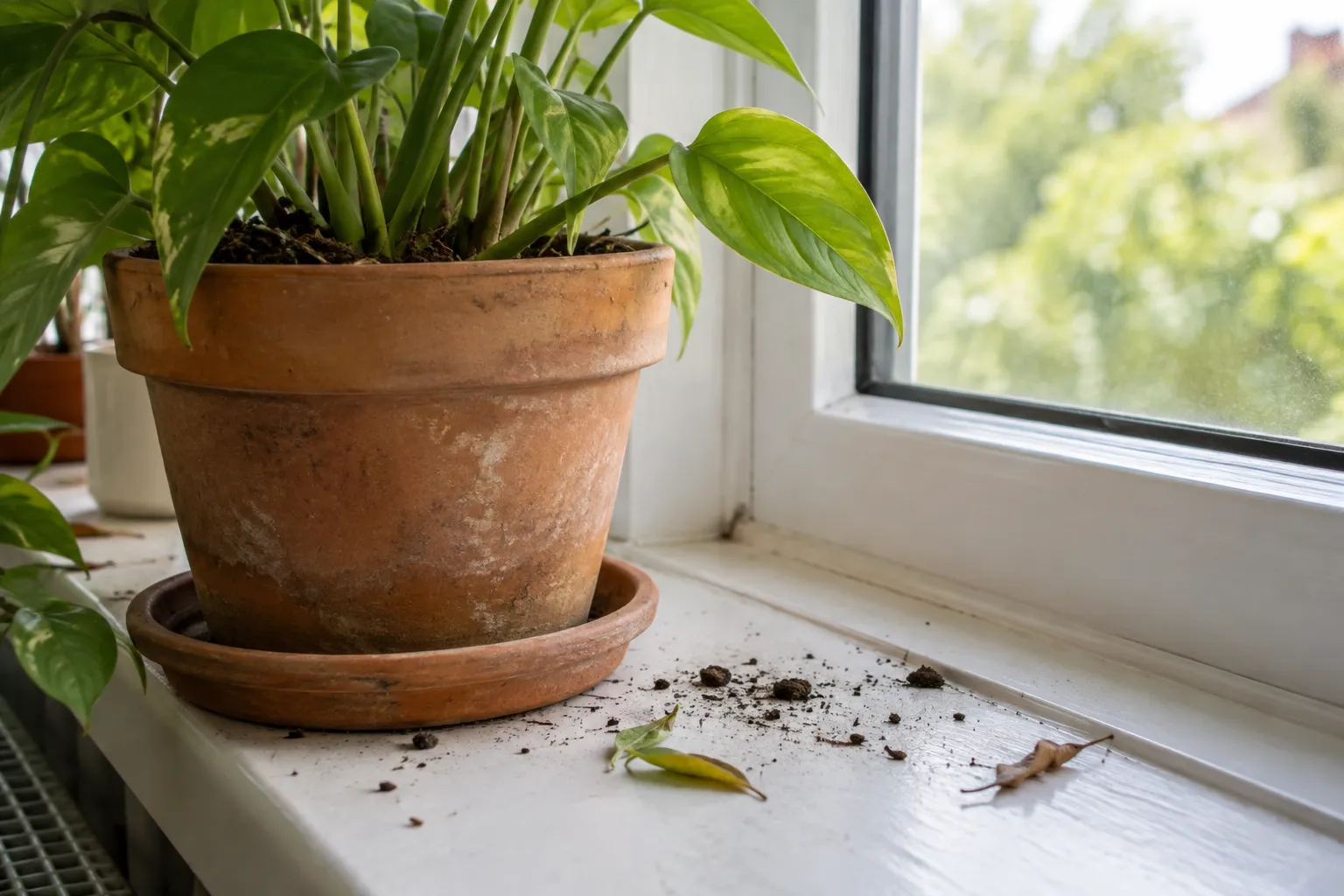
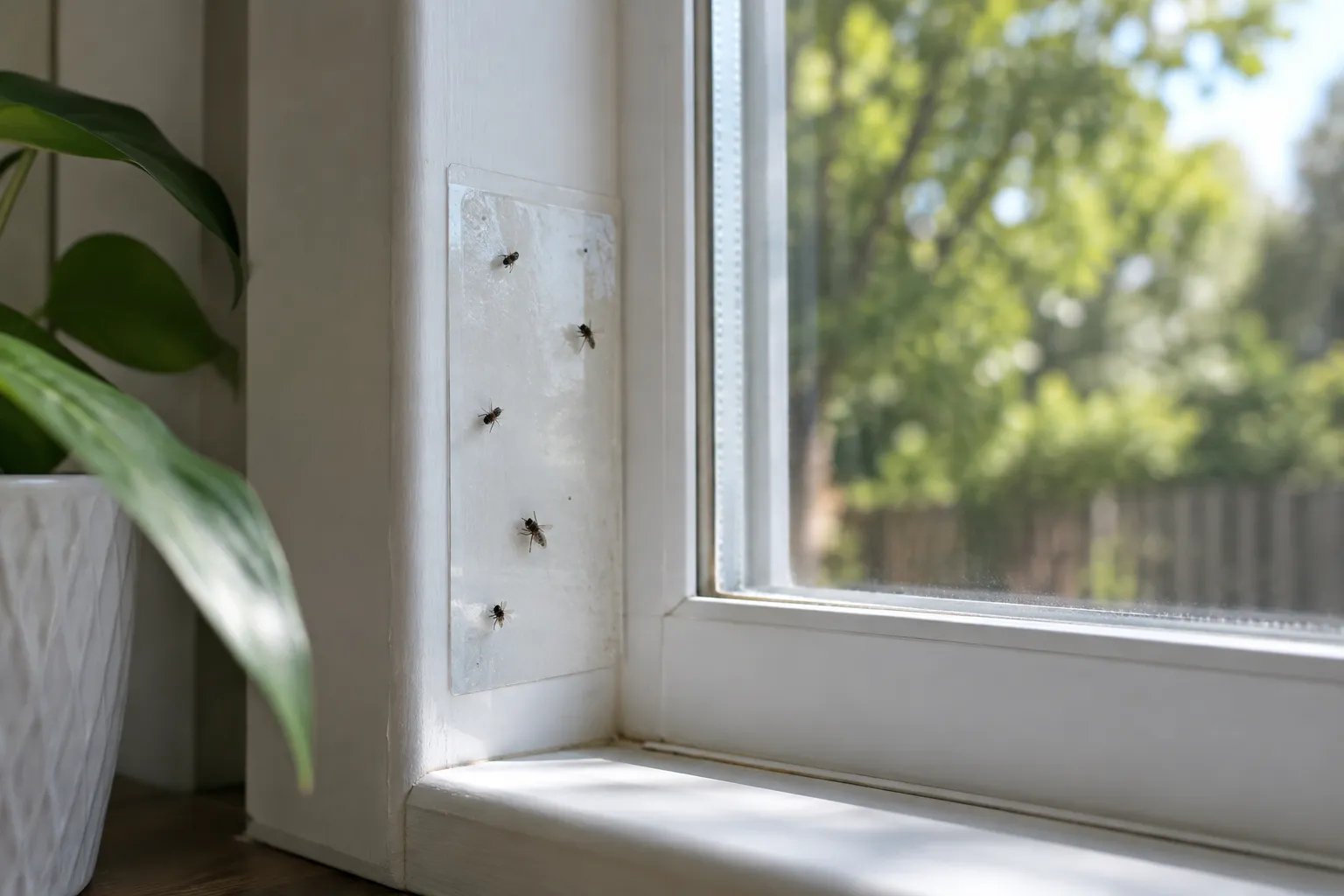
Learn how to tell whether small flies are mainly associated with a potted plant or appear in other parts of the home, what observations can help clarify the pattern, and when to ask a fly-control professional for an assessment. A plant-side observation is useful, but it does not by itself identify the insect or confirm its source.
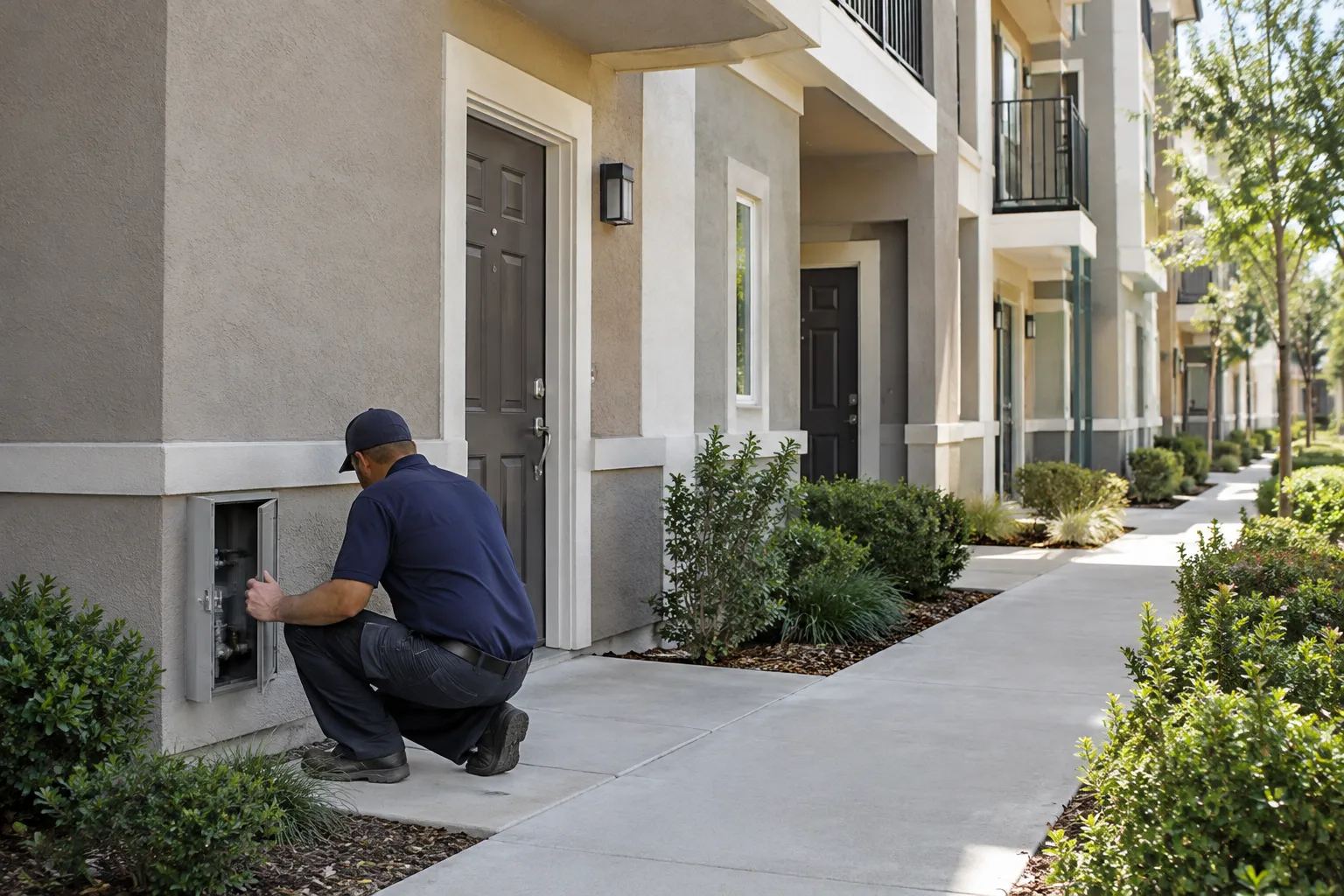
A practical guide for tenants, owners, and property managers coordinating pest control in buildings with shared spaces or multiple occupants. Learn what to record, who should arrange access, what to clarify about the service plan, and how to share updates without assuming that activity in one unit proves a building-wide problem.
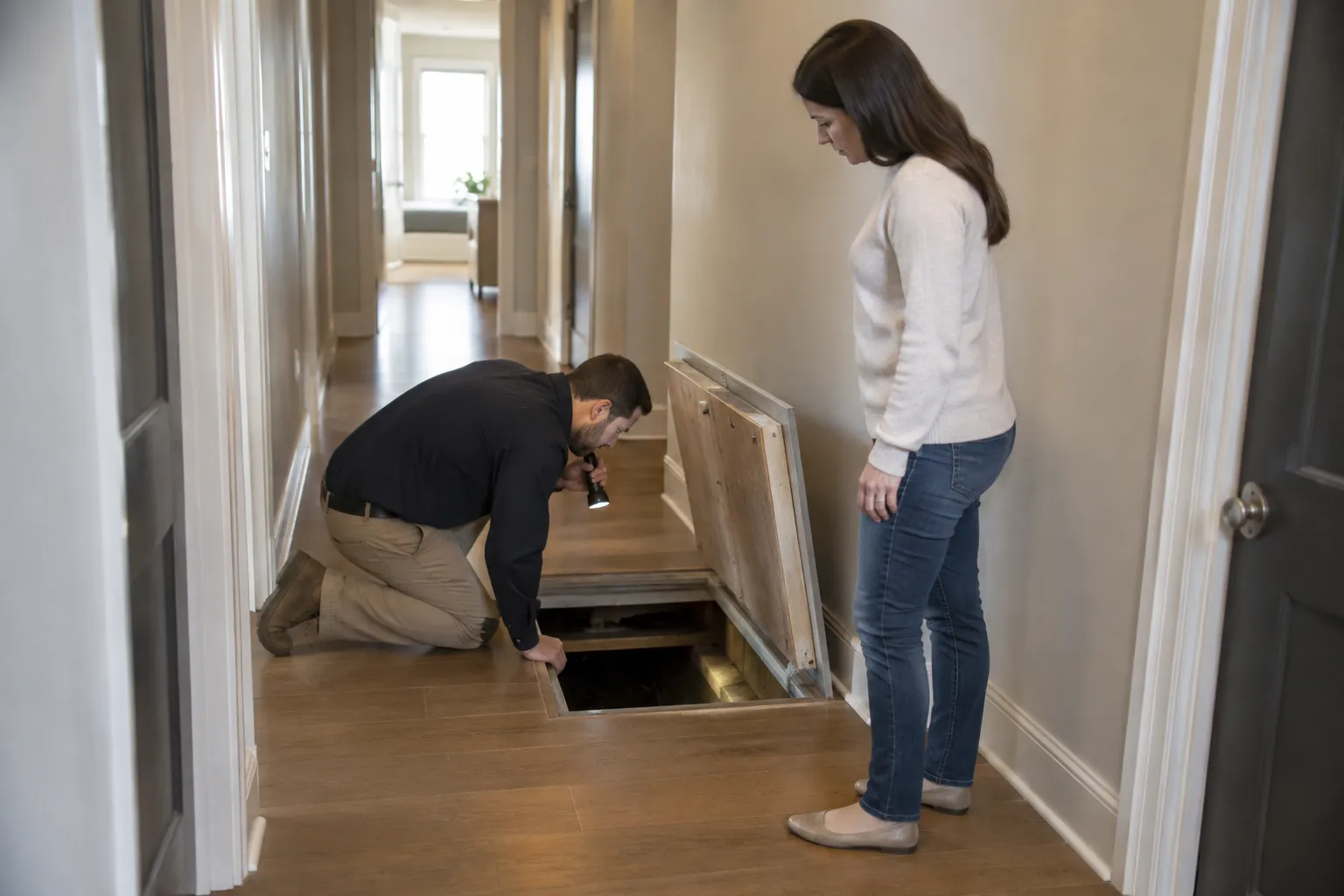
A practical guide to reviewing a pest control plan before work begins: clarify the pest concern, areas included, inspection limits, preparation, prevention recommendations, and follow-up. Use the questions and example to identify what is still uncertain and what to discuss with a provider.
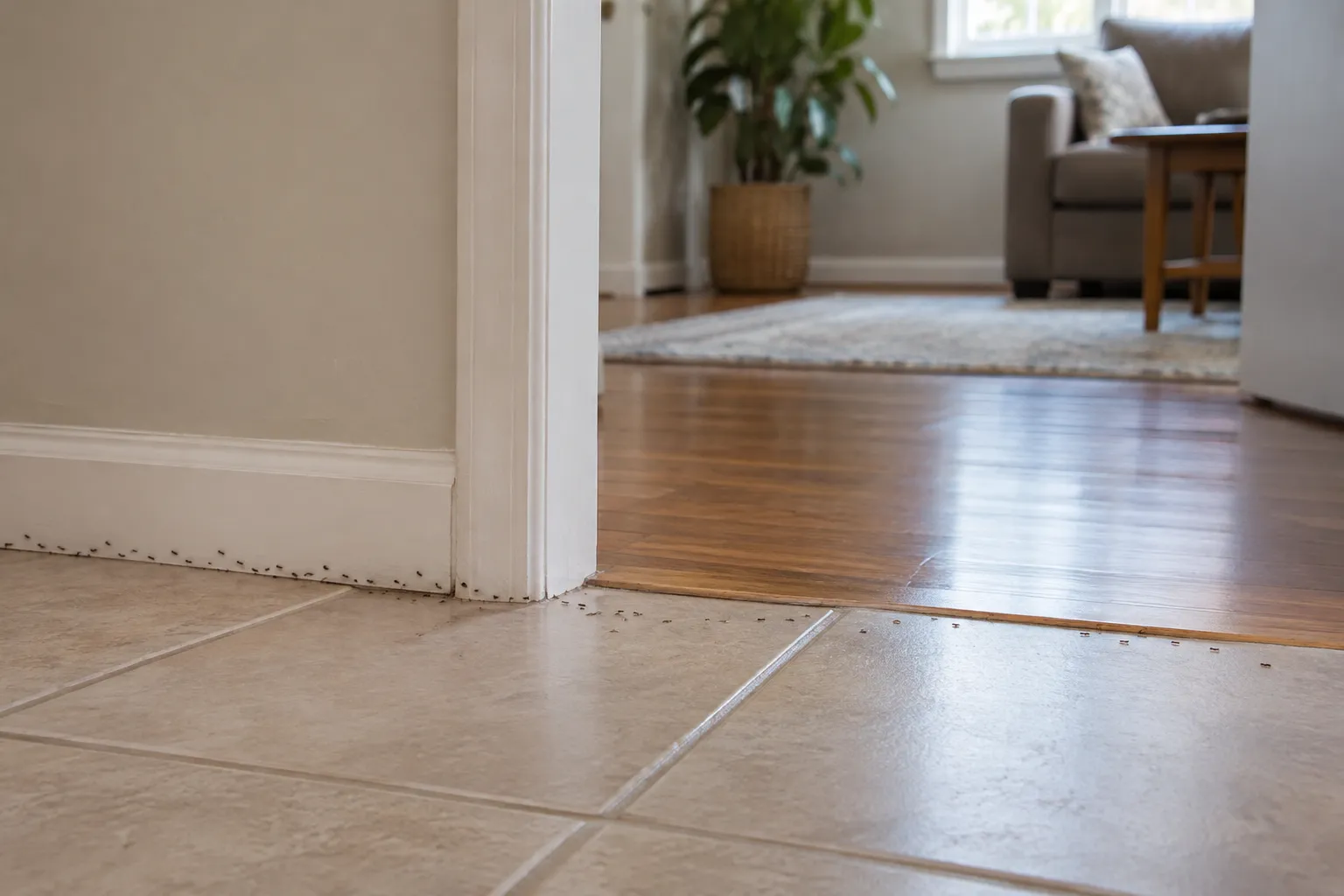
A practical checklist for documenting ant activity in several rooms: note locations, timing, visible trails, nearby conditions, and changes over time so you can describe the pattern when requesting service.
In a multi-unit building, planning Heat Assault bed bug treatment means clarifying which areas may need assessment, who can coordinate access, and how residents will receive preparation instructions. Learn what to share with a provider and building manager, what remains property-specific, and how to request a next step without assuming neighboring apartments need the same treatment.
A practical access-planning guide for property managers arranging a termite inspection. Learn how to identify potentially relevant areas, coordinate entry with occupants, share prior treatment or repair information, and ask the provider to confirm the inspection scope. The areas needed vary with the building and the signs reported.
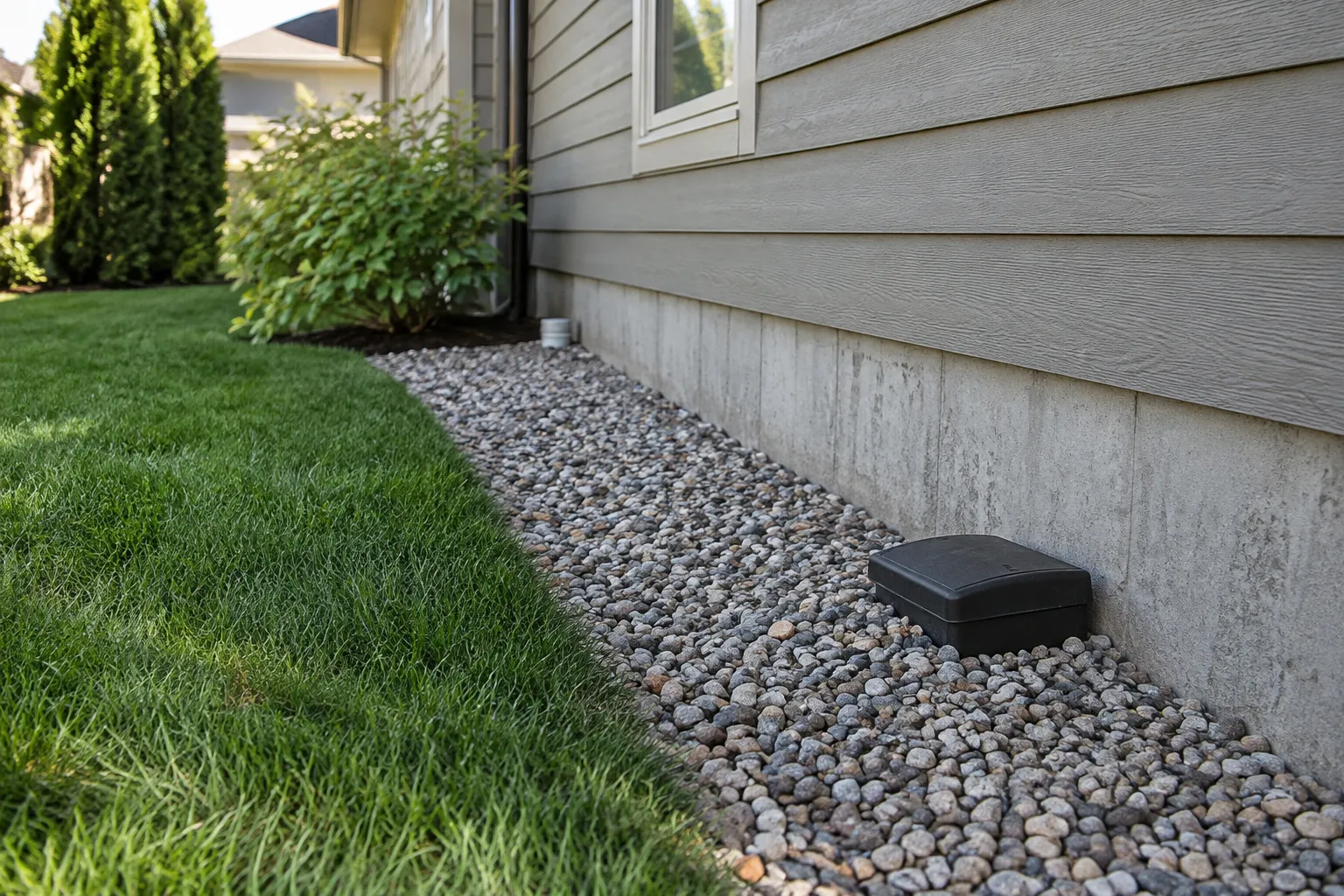
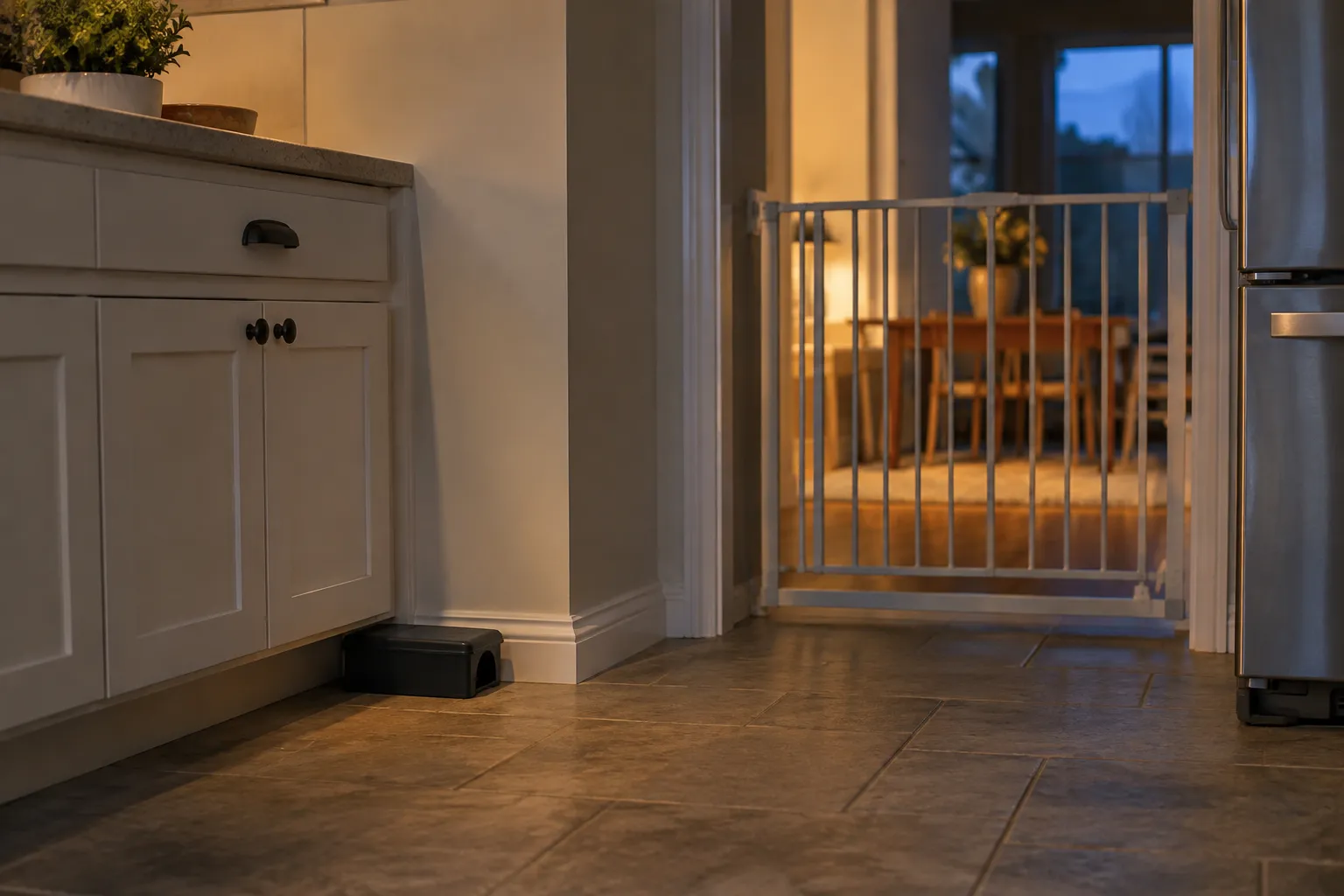
Compare rodent-control follow-up plans by checking which areas will be revisited, what signs you should monitor, how entry points and contributing conditions will be addressed, and when to request reassessment. A useful plan explains what happens next while recognizing that the right approach depends on the property and what an inspection finds.
A practical way to record where and when indoor flies appear, note conditions that may matter, and share useful observations when requesting fly control. Tracking patterns can help guide an inspection, but it cannot confirm the fly type or source on its own.
A practical guide for buyers and renters preparing to move: what to observe, what to ask the owner or manager, and how to arrange a property-specific pest inspection without mistaking clues for a confirmed infestation.
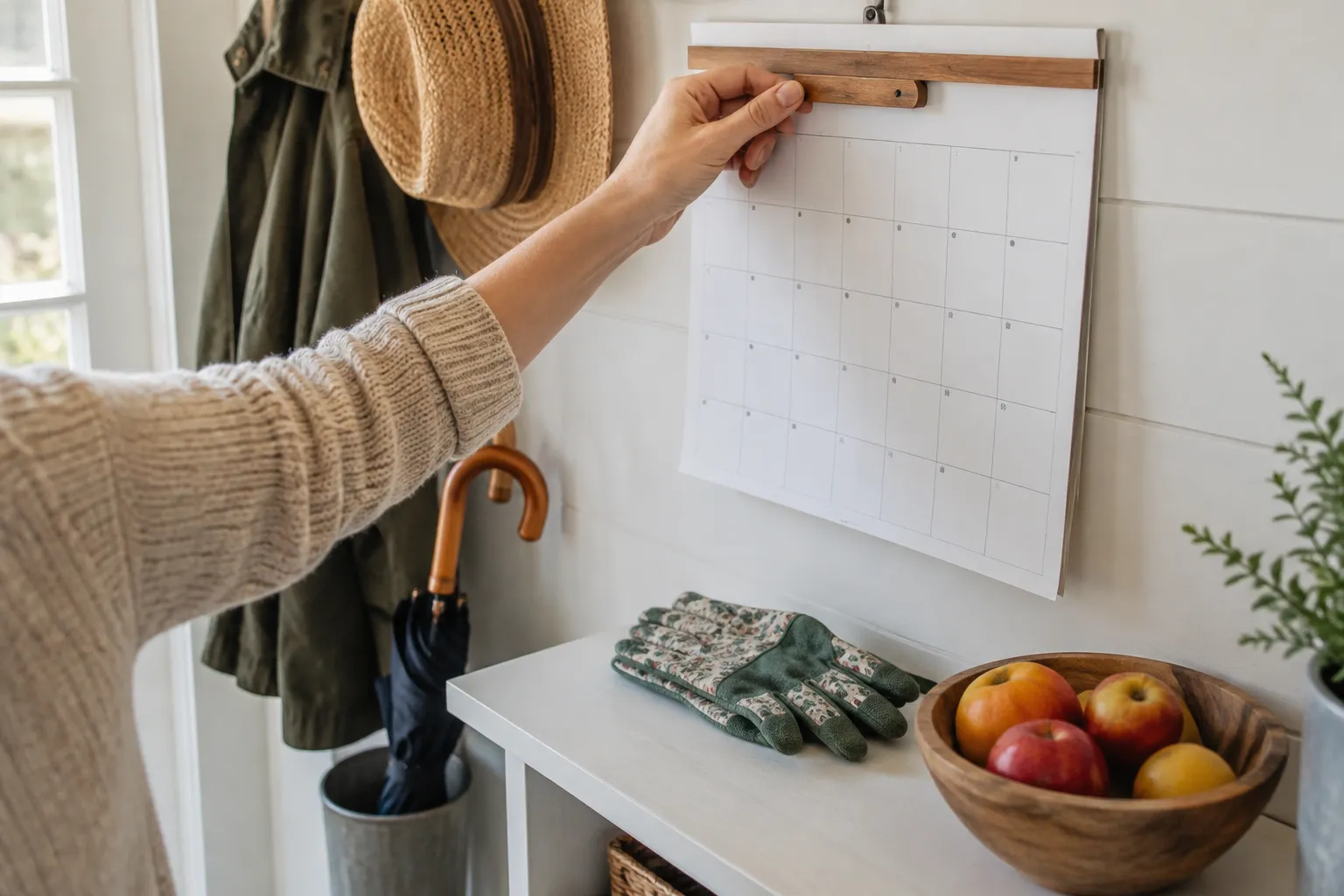
Build a practical seasonal calendar around changing weather, food and water sources, and the places pests may enter or shelter. Use recurring observations to spot patterns, coordinate household or building maintenance, and decide when a property-specific pest inspection may help. The calendar supports prevention; it cannot identify every pest or replace an assessment of active activity.
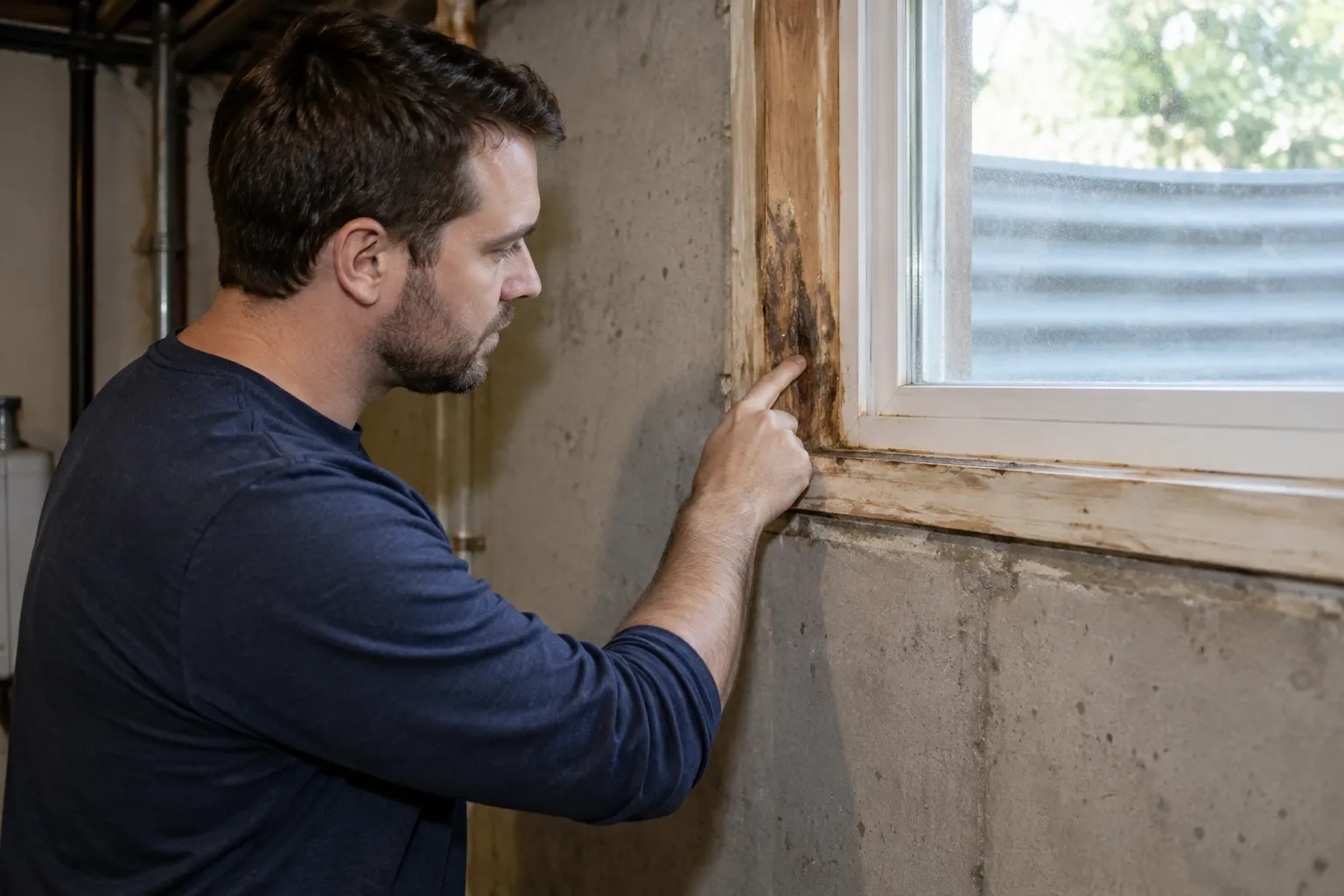
Learn how to distinguish signs that may indicate current termite activity from damage that could be old, what to document without disturbing the area, and when to request a professional inspection. Visible clues can guide your next step, but they cannot confirm whether termites are active or identify the full extent of damage.
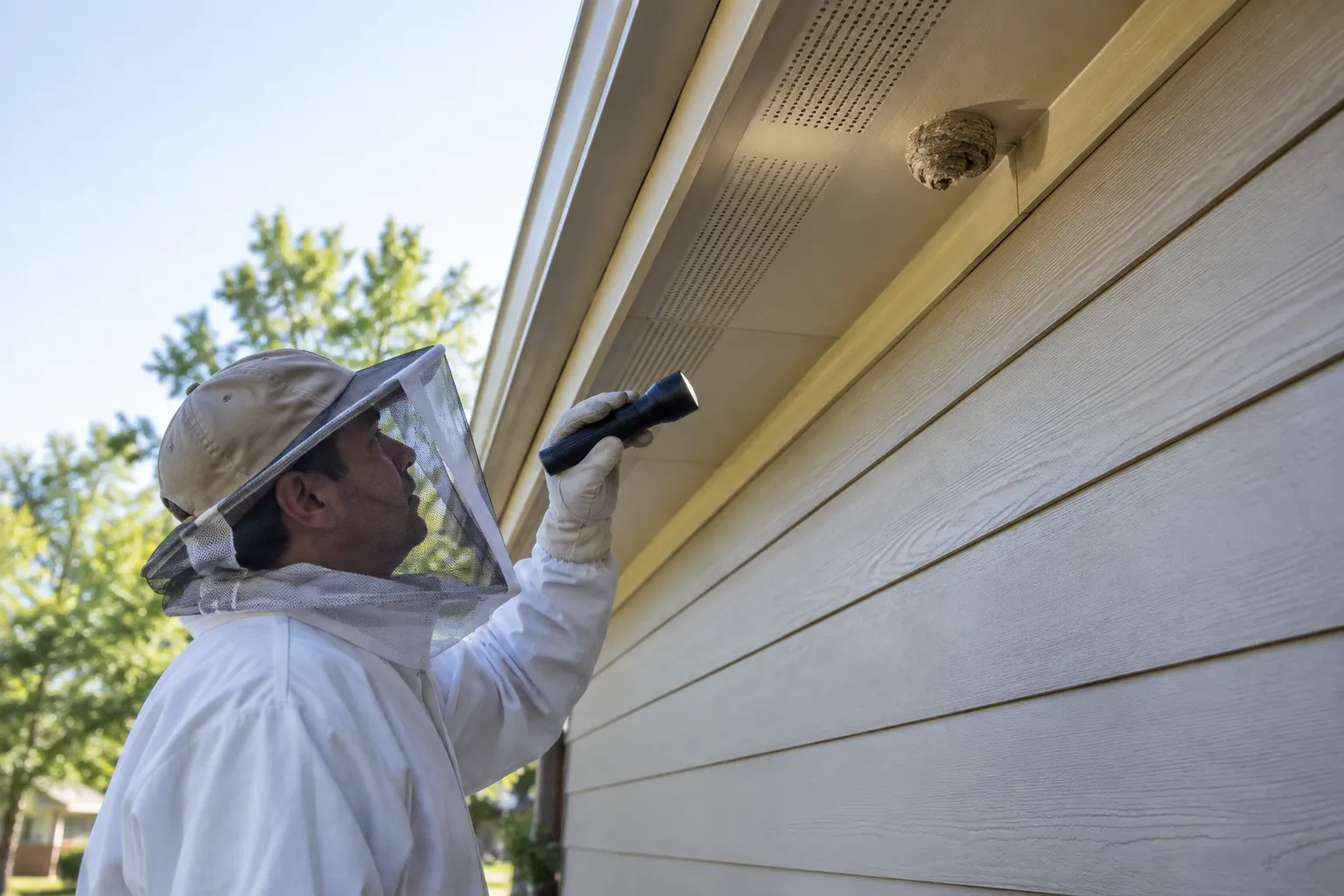
A practical guide to recording where stinging insects appear, when activity occurs, and which parts of a property are affected. These observations can help a pest control provider discuss inspection access and possible next steps, but they do not identify an insect or confirm a nest.
Pest control, closer to home.
Explore our service information for Long Island and New York City. Select a locality to view pest control guidance, Heat Assault information and a direct estimate form.